Natural disasters no longer create only a local emergency. Floods, wildfires, earthquakes, storms, and heat waves can quickly become complex humanitarian situations involving residents, local authorities, charities, emergency services, digital communities, private donors, and informal volunteer groups. In such conditions, goodwill is essential, but goodwill alone is not enough.
Volunteering after natural disasters is changing because the scale, speed, and complexity of emergencies are changing. Today, successful aid depends less on spontaneous action and more on coordination, information management, safety rules, and cooperation between different actors. Volunteers remain at the heart of disaster response, but the standards around their work are becoming more structured.
From Spontaneous Help to Organized Response
In the past, many volunteer efforts after disasters were built around immediate physical help: clearing debris, distributing food, collecting clothes, transporting people, or helping families repair homes. These tasks are still important, but modern disaster response requires much more organization.
After a major event, too many uncoordinated volunteers can unintentionally create problems. Roads may become blocked. Supplies may arrive in the wrong place. Vulnerable people may receive repeated help while others are missed. Volunteers may enter unsafe areas without protection. Donations may pile up without sorting or storage.
This is why many organizations now emphasize managed volunteering. People are encouraged to register, receive instructions, join assigned teams, and work through recognized coordination points. The goal is not to slow down help, but to make it useful, safe, and fair.
Information Has Become as Important as Supplies
One of the biggest changes in disaster volunteering is the role of information. In the first hours after a flood, fire, or earthquake, the most urgent question is often not only “What do people need?” but “Where exactly is help needed, and who already responded?”
Volunteer teams now often help collect and update information: which streets are accessible, which shelters are full, which families need medicine, where drinking water is missing, or which areas still lack electricity. This information helps coordinators avoid duplication and direct resources where they are most needed.
Digital tools, maps, messaging groups, online forms, and shared databases have become part of disaster response. However, this creates a new responsibility. Information must be accurate, updated, and protected. Sharing unverified requests or private details about affected families can create confusion or even harm.
Modern standards increasingly require volunteers to treat information as carefully as physical aid.
The Rise of Volunteer Registration and Verification
Another important shift is the move toward volunteer registration. During emergencies, many people arrive ready to help, but coordinators need to know who they are, what skills they have, how to contact them, and what tasks they can safely perform.
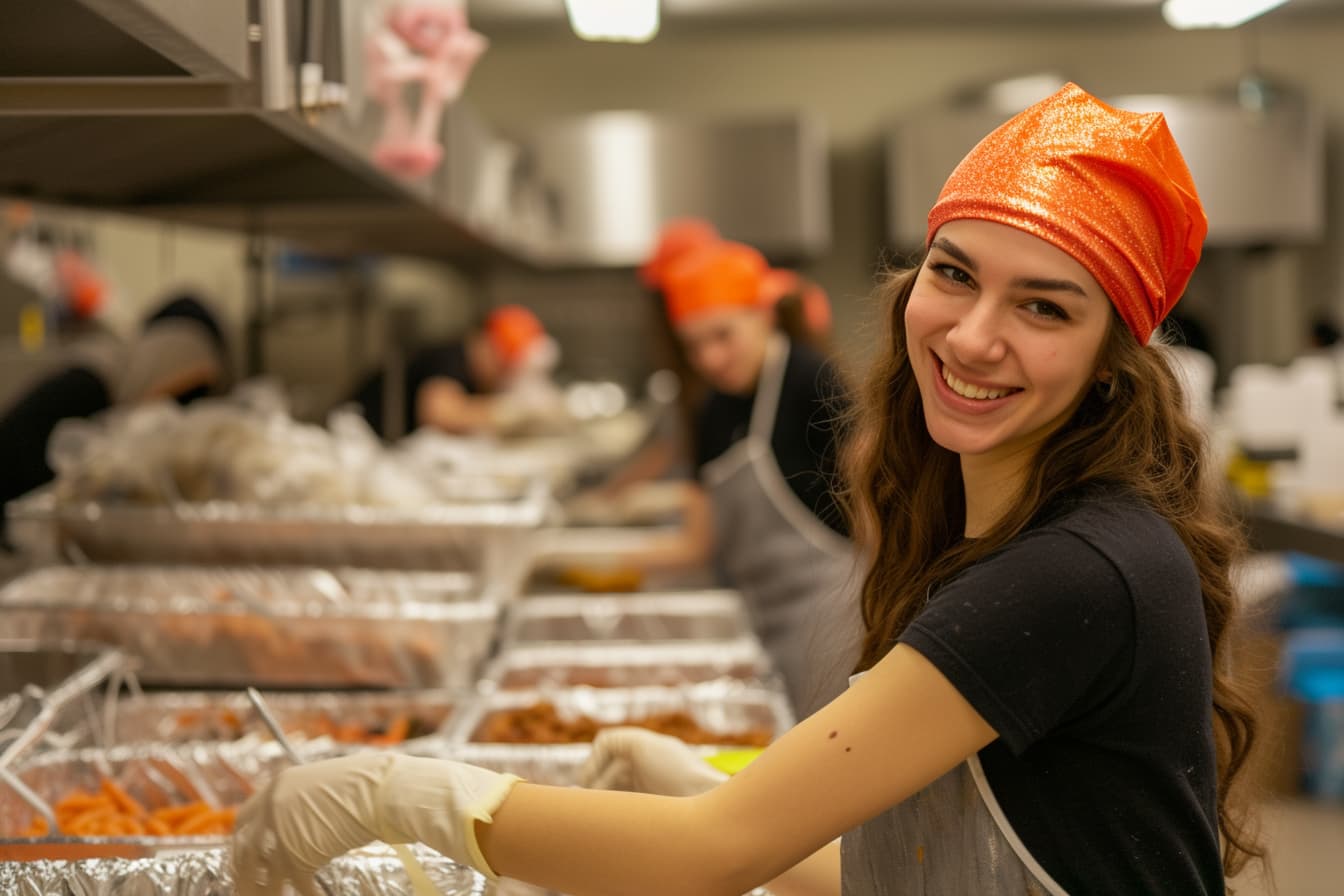
Registration helps match people to appropriate roles. A person with medical training, construction skills, language knowledge, driving experience, or logistics experience may be needed for very specific tasks. Others may be better suited for sorting donations, delivering food, answering calls, or supporting shelters.
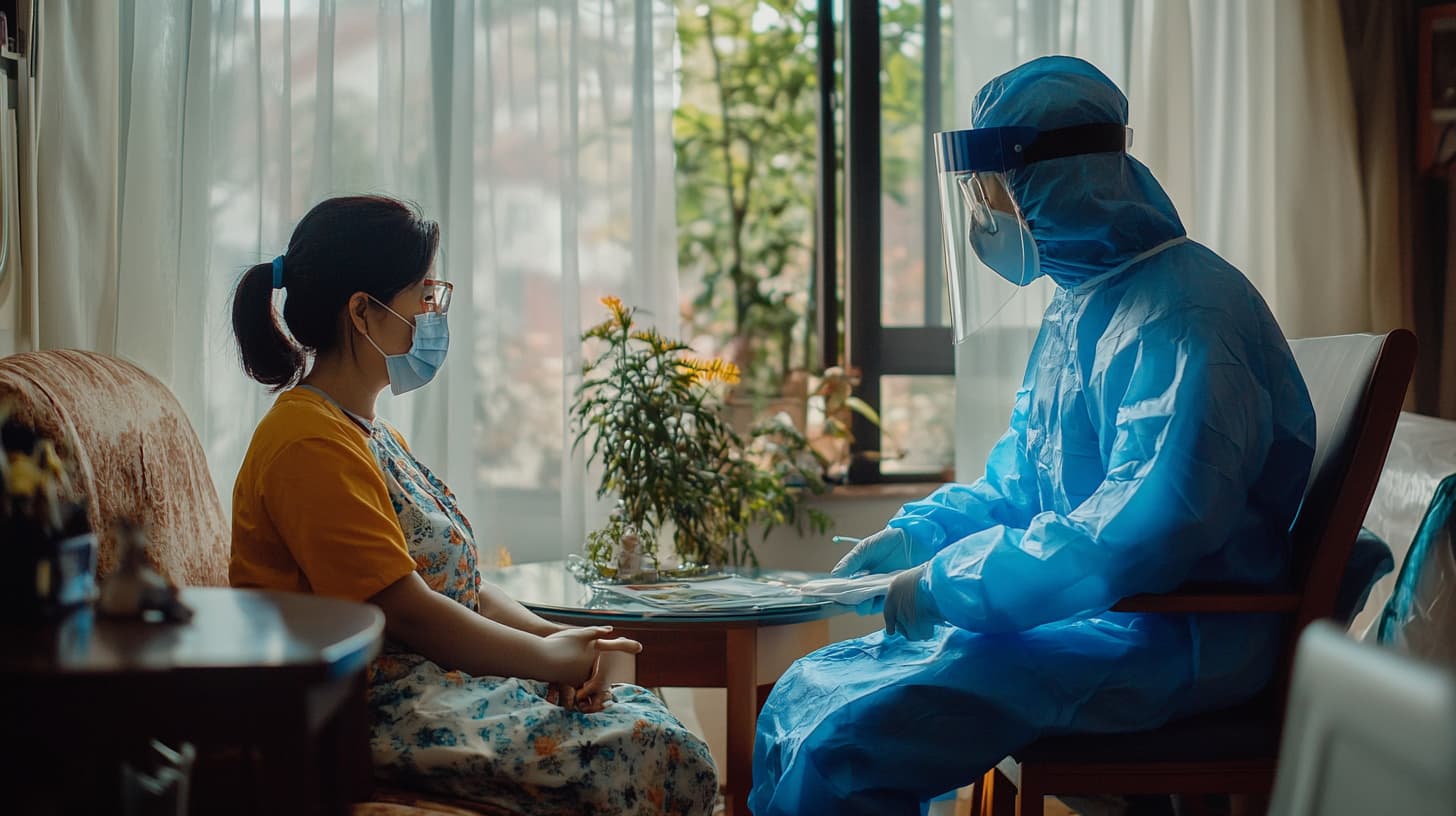
In some cases, verification is also necessary, especially when volunteers work with children, elderly people, displaced families, or people who have experienced trauma. This protects vulnerable groups and helps organizations maintain trust.
The new standard is clear: disaster volunteering should be open, but not completely uncontrolled.
Safety Rules Are No Longer Optional
Natural disasters create unstable environments. Buildings may be damaged. Water may be contaminated. Electrical systems may be dangerous. Smoke, mold, chemicals, sharp objects, animals, or collapsing structures can turn a simple task into a serious risk.
For this reason, volunteer safety has become a central part of coordination. More organizations now provide brief safety instructions before sending volunteers into the field. They may define restricted zones, require protective equipment, organize team leaders, and set check-in procedures.
This is a major change from the older idea that a brave volunteer should simply go wherever help is needed. Courage is still respected, but it must be combined with discipline. An injured volunteer becomes another person who needs rescue. Responsible coordination protects both helpers and survivors.
Cooperation Between Formal and Informal Groups
After disasters, help often comes from two directions. Formal organizations bring experience, systems, insurance, trained staff, and official contacts. Informal groups bring speed, local knowledge, energy, and trust inside communities.
Both are valuable. But without cooperation, they may compete or duplicate work. A neighborhood group may know which families need urgent help, while a larger organization may have transport, storage, or medical partners. A local volunteer may know the roads better, while emergency services may know which areas are unsafe.
Changing standards now focus on building bridges between these groups. Instead of dismissing informal volunteers as chaotic, coordinators try to include them through simple reporting channels, shared briefings, local contact points, and clear task distribution.
The future of disaster volunteering is not only centralized. It is networked.
Donations Are Becoming More Targeted
After major disasters, people often donate clothing, food, blankets, toys, furniture, and household items. While generous, these donations can overwhelm local teams if they are not requested, sorted, transported, or stored properly.
Many organizations now prefer targeted aid lists, cash donations, digital vouchers, and coordinated supply chains. Volunteers may still collect goods, but the process is increasingly based on real-time needs rather than emotional assumptions.
This is a sensitive change because donors want to feel personally involved. But unmanaged donations can consume volunteer time that should go toward urgent help. Sorting unusable items, moving unnecessary supplies, or storing excess goods can become a burden.
Modern coordination asks a difficult but necessary question: not “What do people want to give?” but “What do affected people actually need now?”
Mental Health and Emotional Support
Natural disasters do not only destroy homes and infrastructure. They also create fear, grief, uncertainty, and exhaustion. Volunteers often become the first people to listen to survivors’ stories. This role is important, but it also requires boundaries.
Newer standards recognize that volunteers should not be expected to act as therapists unless they are trained professionals. They can offer calm presence, practical help, and respectful listening, but serious psychological support should be referred to qualified specialists.
At the same time, volunteers themselves need emotional care. Working in disaster zones can be intense and distressing. Debriefings, rotation of tasks, rest periods, and access to support are increasingly seen as part of responsible coordination.
A sustainable response cannot depend on exhausted people.
Accountability After the Emergency
Disaster volunteering does not end when the media attention fades. Recovery can last months or years. Families may need help with documents, housing, rebuilding, insurance claims, school access, transport, and social support.
This long recovery phase requires accountability. Organizations need to track what was promised, what was delivered, which communities were reached, and which groups were overlooked. Volunteers may help with follow-up calls, data entry, community visits, and rebuilding projects.
The standard is shifting from short-term emotional response to long-term responsible engagement. This means asking not only how fast help arrived, but whether it was fair, useful, and respectful.
Why Coordination Matters More Than Ever
Natural disasters are becoming more frequent and more disruptive in many regions. At the same time, communication moves faster than official systems. A request for help can spread online within minutes, but not every request is accurate. A donation campaign can grow quickly, but not every campaign is coordinated. A group of volunteers can mobilize instantly, but not every group knows the risks.
This is why coordination standards are becoming stricter. They do not exist to limit compassion. They exist to turn compassion into effective action.
Good disaster volunteering now depends on clear roles, verified information, safety rules, cooperation, targeted aid, and long-term responsibility. The most useful volunteer is not always the person who arrives first. Often, it is the person who listens to instructions, works with others, respects boundaries, and understands that helping after a disaster is not only about energy, but also about order.
In moments of crisis, people naturally want to do something. The challenge is to make sure that “something” truly helps.